
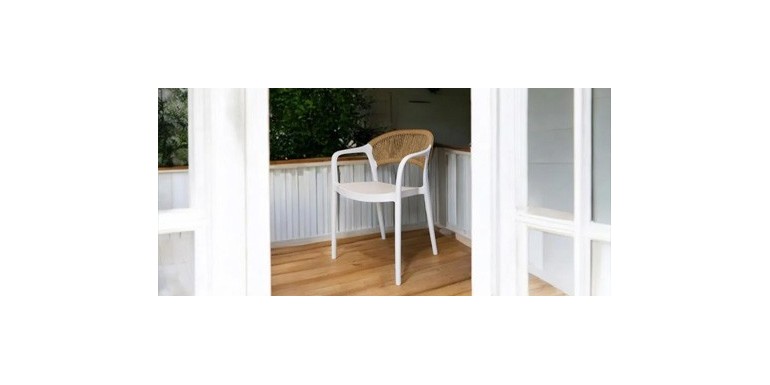
In contemporary design, the separation between indoor and outdoor spaces has become increasingly blurred. Homes, hotels, restaurants, and commercial spaces no longer view their outdoor areas as isolated annexes but rather as natural extensions of the interior. Achieving aesthetic and functional continuity between both environments not only enhances the user experience but also increases the architectural value of the decorative project.
As a company specializing in designer furniture for industry professionals, we understand that this seamless transition requires strategic planning, aesthetic sensitivity, and above all, a careful selection of furniture and materials.
1. A Unified Visual Language
The first step toward achieving this continuity is establishing a coherent visual language between both spaces. This doesn’t mean replicating the interior outside, but rather identifying common elements that act as visual bridges. Colors, textures, finishes, and shapes play a fundamental role here.
For example, if earthy tones, natural materials like wood, or organic fabrics dominate the interior, it’s advisable for the outdoor furniture to match this same color palette and materials. It’s not just about aesthetics—it's about creating a unified sensory experience.
2. The Power of Furniture
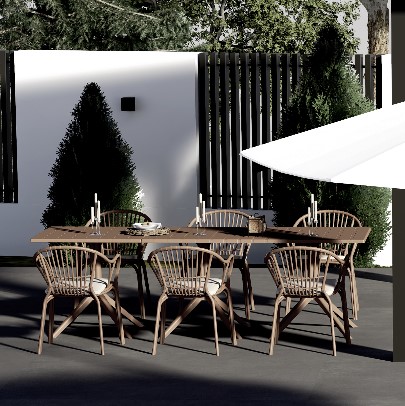
Furniture is one of the key elements in creating a smooth transition between indoors and outdoors. Choosing pieces that share a similar style or that work in both settings helps maintain a coherent and pleasing aesthetic. It’s not about using the exact same furniture, but about ensuring they speak the same design language in terms of shape, material, and color.
We work with brands that understand this need: furniture that’s durable enough for the outdoors, yet refined and elegant enough to blend seamlessly with indoor decor. This makes it possible to create connected, comfortable, and characterful spaces without breaking the harmony of the overall design.
3. Softening Architectural Boundaries
Architectural design can also support this continuity through solutions such as sliding glass doors, floor-to-ceiling windows, or screens that open completely to the outdoors. The more seamless the physical boundary between indoors and outdoors, the more natural the transition.
Coverings, pergolas, or awnings that extend the interior ceiling outward can also create a sense of shelter and continuity.
4. Repeating Key Elements
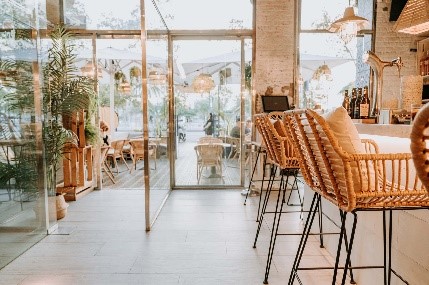
Repetition is a simple yet effective strategy. A specific type of lamp, a cushion pattern, or a chair style can act as a visual thread between spaces. This repetition doesn’t have to be literal, but it should be intentional—it helps maintain visual balance without becoming monotonous.
In addition, the arrangement of furniture can reinforce the feeling of unity. Placing seats, tables, or accessories in a coherent layout helps guide the eye and establish a clear design narrative.
5. Durable Materials
One of the biggest challenges in designing outdoor spaces is finding materials that withstand time and weather without losing their visual appeal. That’s why it’s essential to invest in designer furniture specifically created for outdoor use, with finishes and details that still feel at home in more sophisticated settings.

6. Lighting as a Unifier
Lighting can also serve as a linking element between interior and exterior spaces. Portable lamps, hidden LED strips, or wall sconces can replicate the same warm and inviting glow found indoors. Using similar color temperatures and appropriate intensity levels creates cohesion and visual continuity across both environments.
7. Nature as a Connector
Finally, incorporating greenery is another way to establish continuity. Indoor plants that visually extend toward the garden—or vice versa—help create a more organic environment and connect both spaces to the natural surroundings. Even materials that evoke nature—such as stone, wood, or rattan—can reinforce this connection.
Conclusion
Designing indoor and outdoor spaces in harmony is no easy task, but it’s essential for achieving cohesive, functional, and aesthetically memorable decorative projects.
If you’re an architect, interior designer, or decorator, we’re here to help you create projects where every element—inside and out—tells a unified story.
Would you like to see our full catalog or check immediate availability?
Get in touch with us and discover how Grupo SDM can help bring your next project to life.
We are wholesalers of furniture, lighting, and decoration in Spain.
We contribute to the well-being of our users with furniture designed by and for people.
952 426 920 - 663 883 455 – 663 813 157
Calle Ignacio Aldecoa 15, 29004 Málaga
**PROFESSIONAL SALES ONLY**