
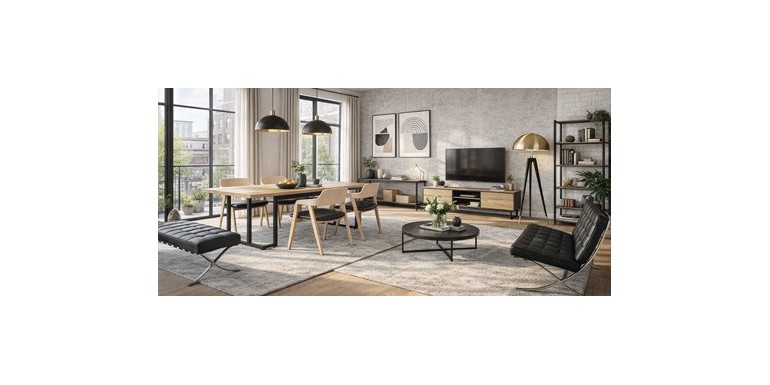
In 2026, the evolution of furniture is shaped not only by aesthetics or current trends, but by a constant reassessment of materials.
In an increasingly competitive world with strong price pressure, it is essential to prioritize quality materials that provide real differentiation, technical durability, and aesthetic coherence.
Material selection has become a strategic factor because it directly impacts three key aspects: perceived quality, project positioning, and profitability. The end customer may not know the detailed technical specifications of a product, but they do perceive texture, finish, robustness, and more.
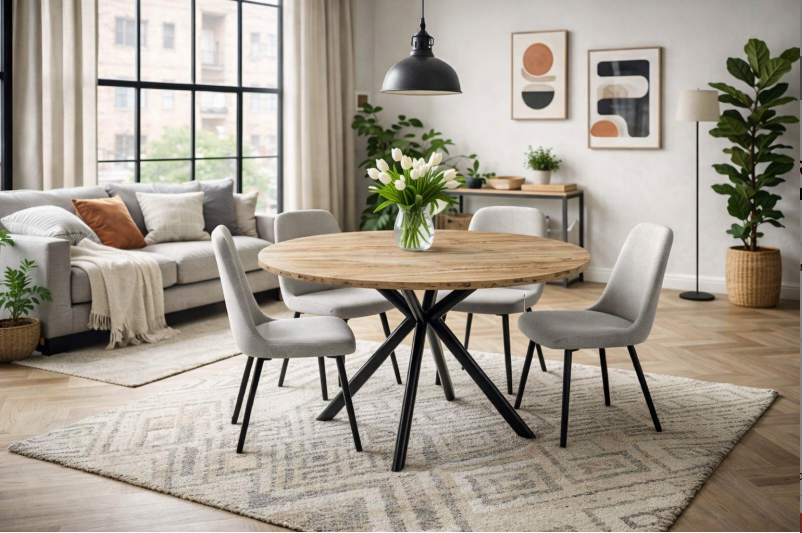
One of the most evident changes can be seen in the use of wood. For years, highly uniform finishes and visually flat surfaces were prioritized.
However, there is now growing demand for woods with visible grain, greater tonal depth, and textured finishes. This type of material adds greater visual richness without the need to incorporate additional decorative elements.
Wood with character helps build brand identity and create recognizable spaces. In office environments, it introduces warmth without compromising functionality. Working with more distinctive woods makes it easier to stand out from other projects. Furthermore, when integrated into coherent collections — tables, chairs, table tops, and auxiliary furniture — they reinforce the project’s visual continuity.

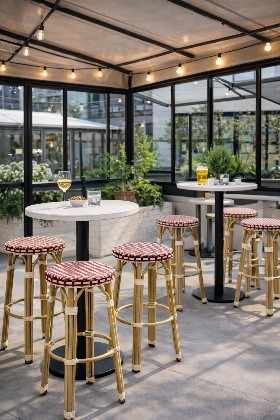
At the same time, metal structures have taken on a more visible role in interior design. Metal is no longer hidden as a mere structural support; today, numerous furniture pieces are made from this material. Table bases, chair and armchair legs, bar stools, and more incorporate defined finishes such as high-resistance matte black or technical chrome with stronger visual presence.
From a functional perspective, metal offers clear advantages in terms of strength and stability, especially in high-traffic environments such as restaurants, hotels, or offices.
Unlike other materials, metal structures withstand continuous dynamic loads without significant deformation, maintain their geometry over time, and are less sensitive to changes in humidity or temperature.
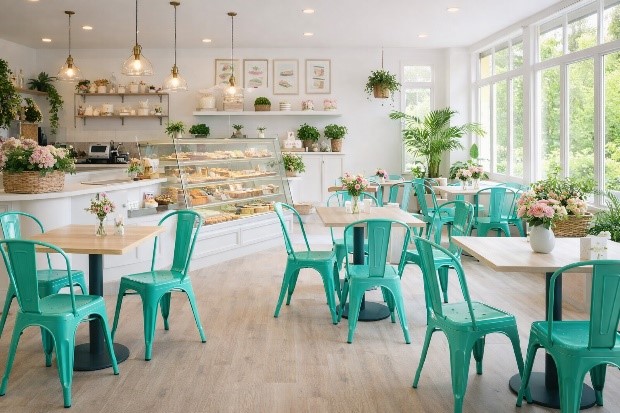
Upholstery is another factor making a difference. In chairs, armchairs, and sofas, fabrics with higher weight, noticeable texture, and durability suited to their use are being prioritized. Fabric choice affects not only aesthetics but also long-term durability. In hospitality environments, where traffic is high, abrasion resistance and structural stability are crucial to avoid premature replacements.
From a commercial standpoint, upholstery texture enhances visual impact in showrooms and supports sales. Customers immediately perceive the difference between a basic fabric and one with greater body and consistency. This perception directly influences their willingness to allocate a higher budget.
Another relevant aspect in 2026 is the technical combination of materials within a single piece. The integration of wood and metal, exposed structures and upholstery, or technical surfaces with natural finishes allows for the development of versatile collections adaptable to different sectors. These combinations provide flexibility: the same model can fit into a residential project, an office, or a restaurant.
In this context, materials are not a secondary element nor merely an aesthetic aspect. They are an essential criterion that directly impacts competitiveness and the overall perception of the project. Material choice defines not only the final image of the space, but also its durability, maintenance, and long-term user experience. Selecting furniture made with quality materials adds tangible value, conveys coherence and professionalism, and reinforces customer confidence in our technical decisions.
Moreover, working with the right materials reduces potential future issues, minimizes replacement or repair costs, and prevents conflicts arising from premature wear or poor daily performance. This strategic foresight not only optimizes resources but also protects our professional reputation. In an increasingly demanding and competitive market, where clients compare numerous proposals, every detail matters. Building solid decorative projects allows us to present more consistent, better-founded proposals that clearly stand out from potential competitors.
Become a distributor of Grupo SDM products
We are wholesalers of furniture, lighting, and decoration in Spain and Portugal.
We help improve user well-being with furniture designed by and for people.
952 426 920 - 663 883 455 – 663 813 157
comercial@gruposdm.com
Calle Ignacio Aldecoa 15, 29004 Málaga
PROFESSIONAL SALES ONLY